Reading your data clearly and turning it into practical content insights helps you make better decisions. Creating content that people genuinely enjoy and want to engage with becomes achievable when you understand the core principles of digital marketing. It’s no longer wishful thinking but a realistic goal.
Digital marketing changes fast. What worked a few years ago might already feel outdated.
As we move into 2026, one thing is obvious: you need sharp digital marketing skills to compete. Whether you’re just starting out or already managing campaigns for clients or in-house, there are specific skills that matter more than ever.
This guide walks you through the 10 must-have digital marketing skills in 2026, plus a few bonus skills that will set you apart.
The easiest way to manage and grow your social channels.
Try ContentStudio for FREE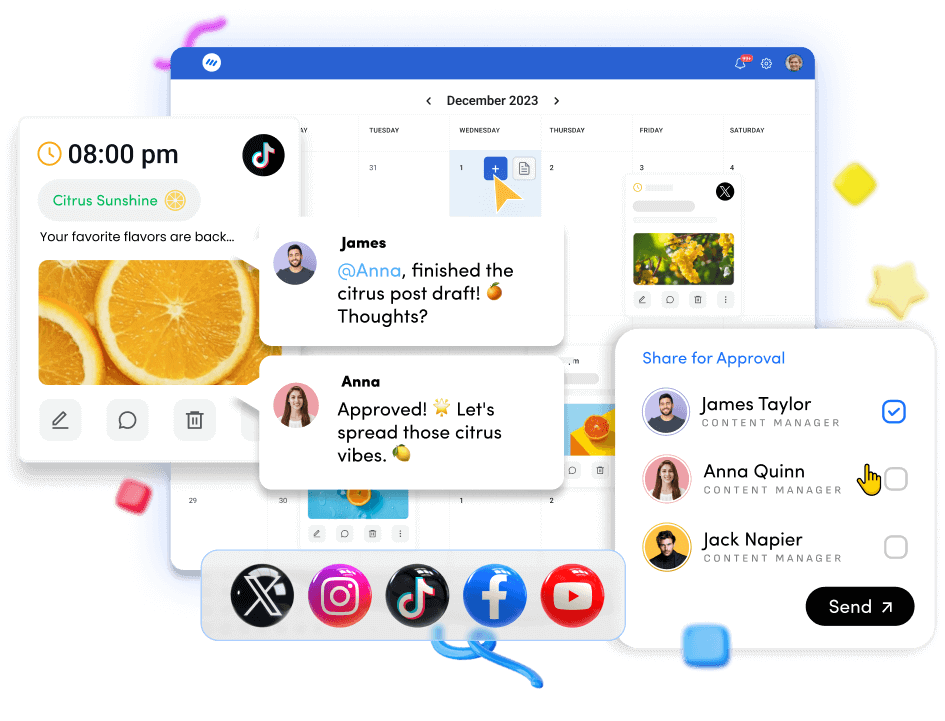
What is digital marketing?
Digital marketing is the use of online channels and digital technologies to promote, advertise, and build brands.
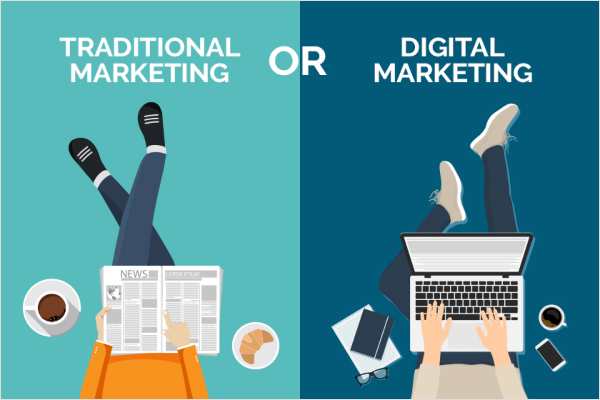
Unlike traditional marketing, which relies on channels like newspapers, TV, and radio, digital marketing campaigns run primarily on the internet. They use a mix of platforms and tools to reach people where they already are: on search engines, social networks, email, and mobile devices. It combines organic tactics (such as SEO and content) with paid campaigns (such as search and social ads) to drive measurable results.
Digital marketing covers a wide range of strategies and channels, including:
- Search engine optimization (SEO)
- Search engine marketing (SEM) and paid search ads
- Content marketing (blogs, guides, eBooks)
- Social media marketing
- Email marketing and automation
- Video marketing
- Influencer and affiliate marketing
- Display and retargeting ads
- Mobile and SMS marketing
- Analytics, CRM, and marketing automation
For example, imagine a startup that has launched a new line of eco-friendly sneakers. With digital marketing, they can:
- Run search ads for “eco-friendly sneakers.”
- Share stories about sustainability on social media
- Use influencers to spread the word
- Nurture interested customers through email campaigns
Through these connected efforts, the brand builds awareness and can track its marketing efforts in real time, then adjust campaigns based on what resonates most with its audience.
Significance of digital marketing
Digital marketing has become an essential part of any successful business strategy in 2025. With the ever-expanding reach of the internet, having a strong online presence & effective digital marketing skills are crucial. Considering digital marketing today, let’s explore its importance:
Global reach and targeted audience
Digital marketing allows businesses of any size to move beyond local borders and connect with a global audience. You’re no longer limited to your city or country.
More importantly, you can target very specific audiences:
- By demographics (age, location, job title, income)
- By interests and behaviors
- By intent (e.g., people searching for “B2B SaaS project management tool”)
Instead of sending one broad message to everyone, you can reach the right people with the right message at the right time.

Cost-effectiveness
Print, outdoor, and TV ads are expensive and often out of reach for smaller brands. Digital channels such as social media ads, search ads, and email marketing let you start small, test quickly, and scale what works.
You can:
- Start with modest budgets
- Pause or adjust campaigns instantly
- See what brings revenue instead of guessing
This levels the playing field so smaller businesses can compete with bigger brands based on performance, not just budget.
Data-driven decision making
One of the biggest advantages of digital marketing is the volume of data you can access. With tools like Google Analytics and social media insights, you can track:
- User behavior on your website
- Engagement on social posts
- Conversions and revenue from each campaign
Personalization and customer engagement
Customers expect experiences that feel relevant to them, and understanding the psychological mechanisms through which digital content influences behavior helps marketers create more effective personalized campaigns. Digital channels make personalization much easier.
You can:
- Recommend products based on browsing or purchase history
- Send segmented email campaigns to different audience groups
- Show dynamic website content based on user interests
Engaging with your audience through interactive content, chatbots, and social media conversations helps you build stronger relationships and long-term loyalty.
Real-time marketing and instant feedback
Digital campaigns can be adjusted on the spot. You can:
- Edit ad copy or creative during a live campaign
- Respond to comments and DMs in minutes
- Shift budget toward the channels or audiences that perform best
This agility lets you keep your marketing strategy relevant as trends, news, and customer expectations change.
Competitive advantage
Brands that invest in digital marketing skills move faster and learn quicker than competitors who don’t. By keeping up with the latest social media trends and tools, you can position your brand ahead of competitors and stay visible in crowded markets, whether you’re a local retailer, SaaS company, or fast-growing agency.
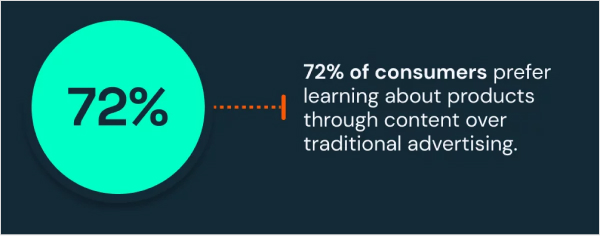
Measurable results
With digital, you can clearly measure the success of your business campaigns.
You’re able to track social media KPIs and other metrics such as:
- Website traffic and sources
- Conversion rates by channel and campaign
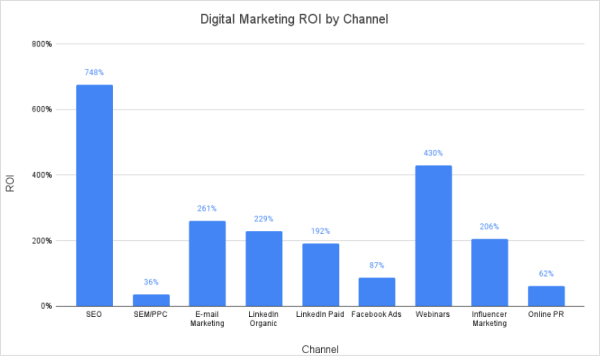
- Revenue and return on investment (ROI)
These insights help you decide where to spend more, where to cut back, and how to improve future campaigns..
Social Media Analytics
Fine-tune your social media strategy for success with in-depth analytics and white-labeled reports.
Get Started for FREE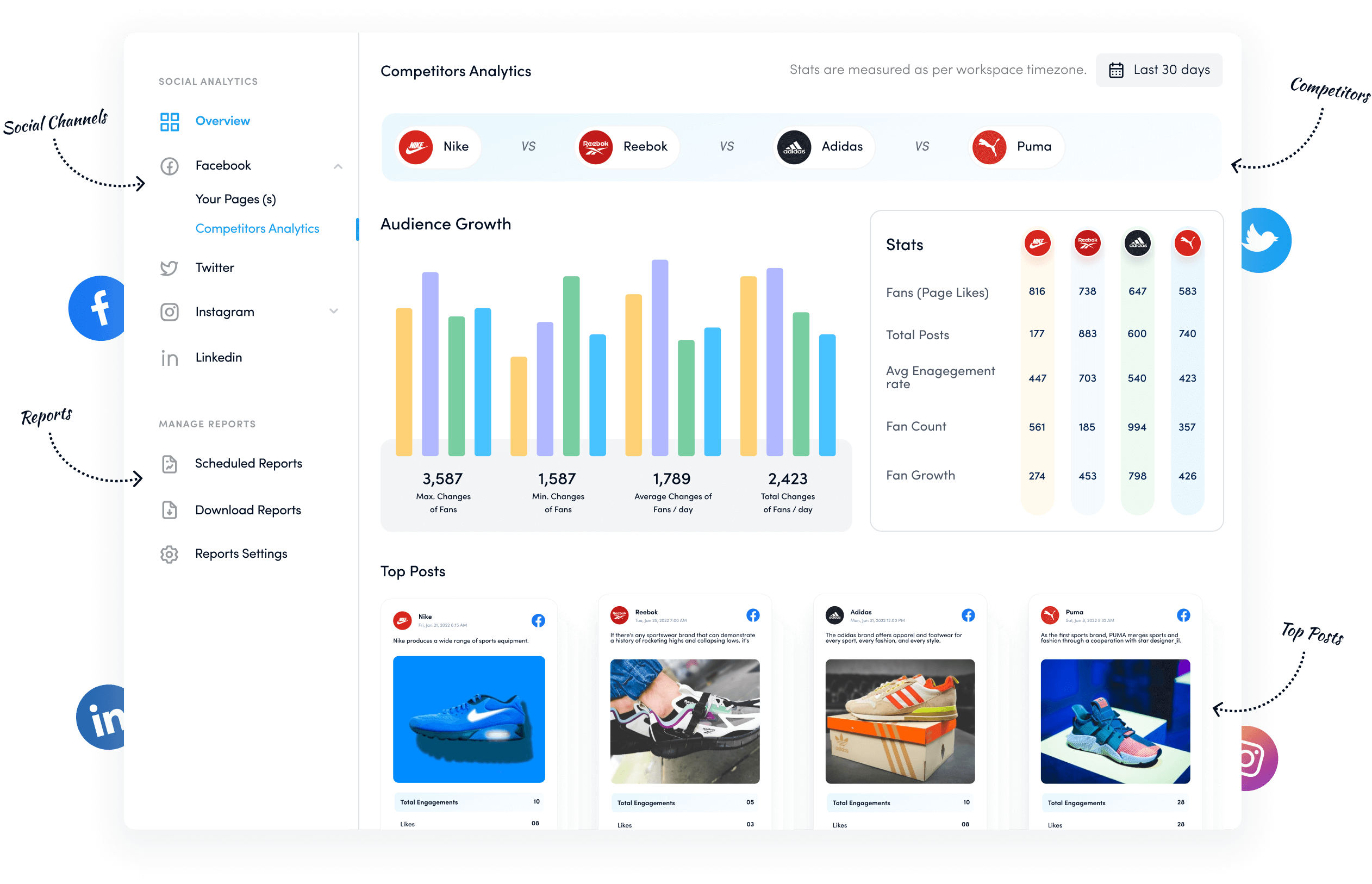
10 must-have digital marketing skills to stay ahead in 2026
In 2026, you can’t rely on one channel or tactic. You need a balanced stack of digital marketing skills that help you plan, create, distribute, and measure across platforms.
Here are 10 in-demand skills you should focus on this year.
1. Search engine optimization (SEO)

SEO is an essential part of digital marketing. It makes your content and offers discoverable on search engines like Google and Bing.
Strong SEO skills include:
- Keyword research: Finding the terms your audience actually searches for
- On-page SEO: Structuring content, headings, and meta tags so pages are easy to understand
- Technical SEO: Making sure your site loads fast, is mobile-friendly, and can be crawled properly
- Link building: Earning links from relevant, trustworthy sites
For example, imagine you run a site that sells handmade candles. If you optimize pages for phrases like “organic candles” or “handcrafted soy candles,” you’re more likely to show up when people search for those products, and bring in more organic traffic.
If you want to go deeper, skills learned through the best SEO courses can help you master audits, on-site improvements, and content planning.
SEO also connects directly with paid search (SEM). Data from your search ads can show you which keywords convert best, and then you can build content around those terms to strengthen your organic visibility.
2. Content marketing and copywriting

Creating valuable, engaging content is a skill that never goes out of style. Content marketing fuels almost every other channel, SEO, email, social, and even paid ads.
Content marketers typically:
- Research audience needs and questions
- Plan content calendars
- Write and edit blog posts, guides, and landing pages
- Collaborate on visuals, video scripts, and social content
Suppose you manage digital marketing for a fitness brand. Creating blog posts on workout routines, filming exercise demos, and sharing infographics with nutrition tips can attract fitness enthusiasts and turn casual readers into loyal customers.
Good copywriting is the backbone of effective content marketing. It means writing:
- Clear, concise headlines and body copy
- Copy that matches your brand voice
- Text that naturally includes relevant keywords without sounding forced
- Strong, specific calls to action (CTAs)
3. Social media marketing
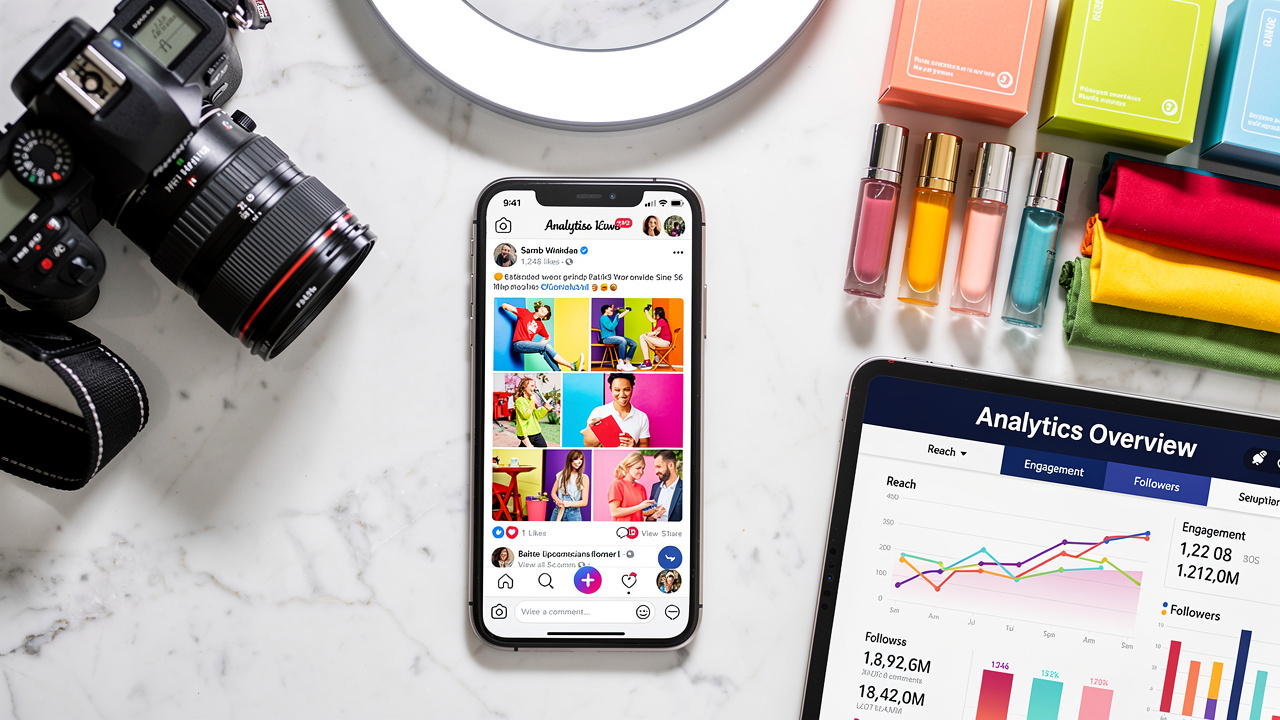
Social media marketing is one of the fastest ways to connect directly with your audience. That’s why it’s near the top of any list of digital marketing skills.
A strong social media marketer knows how to use platforms like Facebook, Instagram, Twitter, and LinkedIn in ways that match each platform’s strengths.
For example, if you’re promoting a fashion brand, you might:
- Use Instagram’s shoppable posts to make it easy to buy from your feed
- Share behind-the-scenes Reels of photoshoots
- Host Q&A sessions or live events
- Build a LinkedIn presence for B2B partnerships or wholesale opportunities
Beyond posting, social media skills include:
- Community management (responding to comments and DMs)
- Social listening (understanding what people are saying about your brand)
- Reporting on reach, engagement, and conversions
Simplified social media marketing for individuals & agencies.
Try ContentStudio for FREE
4. Data analysis and interpretation
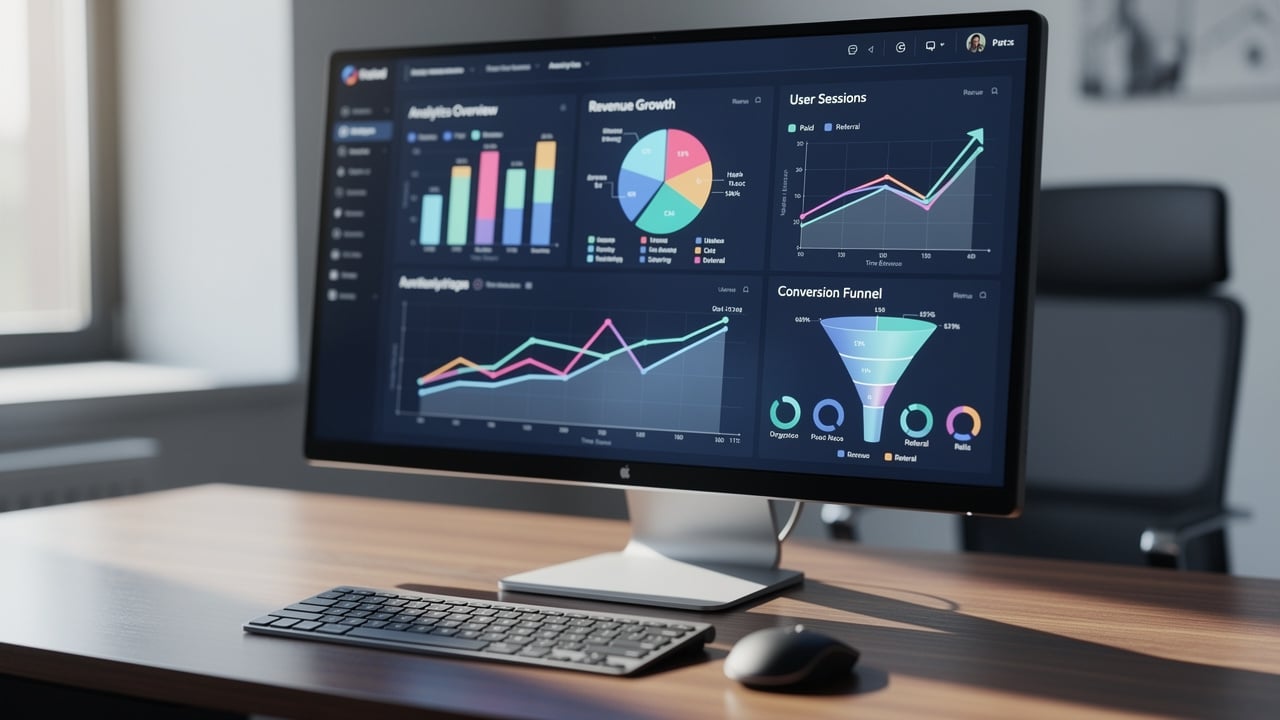
Digital marketing runs on data. If you can’t read your numbers, it’s hard to know what’s working.
Key analytical digital marketing skills include:
- Setting up tracking (Analytics, pixels, UTM tags)
- Reading dashboards for website traffic, behavior, and conversions
- Interpreting results to decide what to change next
- Running A/B tests on headlines, CTAs, layouts, or audiences
For instance, using Google Analytics to track user behavior on your site helps you identify:
- Your most-visited pages
- Where people drop off the funnel
- Which conversion funnels produce the most revenue
When you combine this with campaign and social data, you can invest time and budget where they will have the biggest impact
5. Email marketing

Email remains one of the highest-ROI digital channels and a core part of modern digital marketing skills.
Effective email marketers know how to:
- Build and segment lists
- Craft compelling subject lines
- Design simple, readable email layouts
- Write clear copy and CTAs
- Set up automated sequences for onboarding, nurturing, and reactivation
If you run an e-commerce store, sending personalized product recommendations based on browsing or purchase history can increase repeat orders and customer lifetime value.
6. Paid advertising (PPC and SEM)
PPC (pay-per-click) advertising is one of the fastest ways to reach a targeted audience. It’s a core part of search engine marketing (SEM) and a key digital marketing skill, especially for agencies and growth teams.
With platforms like Google’s ad network and social ads, you can:
- Bid on high-intent keywords
- Retarget people who visited your site but didn’t convert
- Promote new launches or seasonal offers
Strong PPC/SEM skills include:
- Structuring campaigns and ad groups logically
- Writing compelling, relevant ad copy
- Matching each ad to a focused landing page
- Managing bids and budgets
- Reviewing search terms and adding negatives
For example, running a Facebook ad campaign for a mobile app with a clear CTA can drive more app installs and in-app purchases, especially when your creative, audience, and landing page are aligned.
7. Influencer marketing
Partnering with influencers can significantly boost your brand’s voice and trust.
Important influencer marketing skills include:
- Finding creators who actually match your audience
- Reviewing their engagement quality, not just follower count
- Negotiating fair collaborations
- Setting clear deliverables and expectations
- Tracking performance through codes, links, or attribution tools
Suppose you’re promoting a beauty product. Collaborating with beauty creators on YouTube, TikTok, or Instagram to review and demo your product can expand your reach, build social proof, and generate user-generated content you can repurpose.
8. Video marketing
Video is one of the most engaging content formats across social platforms, websites, and ads. It’s no surprise that video is a top priority in most digital marketing skills roadmaps.
Video marketing requires you to:
- Plan storylines and scripts
- Shoot with a smartphone or camera
- Edit using beginner-friendly tools
- Add captions and hooks that keep people watching
- Adjust format and length to fit each platform
For instance, making short attention-grabbing videos about your software product can increase engagement on TikTok, YouTube, or Instagram Reels.
9. Chatbot and AI marketing

Chatbots and AI-driven marketing tools are now part of day-to-day marketing work.
Key skills here include:
- Knowing where a chatbot makes sense (support, FAQs, lead capture)
- Setting up simple conversation flows that feel human, not robotic
- Using AI tools to assist with content ideas, drafts, and insights
- Personalizing website or email experiences based on behavior
For example, a chatbot on an e-commerce site can help visitors find products, answer questions about shipping or returns, and guide them through checkout, without making them wait for a human agent.
10. Mobile marketing
With most browsing and social activity happening on phones, mobile marketing is a must-have skill.
Mobile-focused digital marketing skills include:
- Designing mobile-friendly websites and landing pages
- Making sure pages load quickly on mobile networks
- Improving for mobile search (local SEO, “near me” searches)
- Using SMS and push notifications thoughtfully
- Working with mobile apps where relevant
If you own a restaurant, having a user-friendly mobile app for online ordering can attract more customers, speed up service, and increase loyalty.
If you’re mapping out the ecommerce essential skills 2026 digital marketing teams need, mobile-optimized experiences, from product pages to checkout, should be near the top of your list.
Bonus digital marketing skills for 2026
The 10 skills above are your core. But to stand out in 2026, a few additional digital marketing skills can make a big difference, especially for agencies, enterprise teams, and fast-growing e-commerce brands.
User experience (UX) thinking and conversion focus
UX thinking is about making every touchpoint easy, clear, and enjoyable. For marketers, that means:
- Structuring pages so visitors know what to do next
- Reducing friction in forms and checkouts
- Clarifying offers and value propositions
- Testing layouts and flows for better conversion rates
On an e-commerce product page, that could look like:
- Clear product photos and descriptions
- Prominent pricing and shipping info
- Obvious “Add to cart” buttons
- Simple, distraction-free checkout
Marketers who understand UX can collaborate more effectively with designers and developers, and improve results across channels.
Visual design and photo editing basics
You don’t have to be a full-time designer, but basic design and photo editing skills are extremely helpful in digital marketing.
They help you:
- Create on-brand social posts and ad creatives quickly
- Adjust images to fit different platform sizes
- Keep your visuals consistent across campaigns
At a minimum, you should be comfortable with:
- Color, typography, and simple layout
- Tools like Canva, Figma, or Adobe Express
- Basic photo editing (cropping, resizing, color correction, light retouching)
Clean, consistent visuals increase trust and make your content more clickable in busy feeds.
Marketing automation and CRM
Marketing automation ties many digital marketing skills together. It’s how you:
- Send email sequences based on behavior
- Nurture leads over time without manual work
- Score leads and hand-qualified ones for sales
- Trigger messages based on events (signups, purchases, inactivity)
Being able to plan and build automated workflows in tools like HubSpot, ActiveCampaign, or other platforms will save time and improve consistency, especially for agencies handling many clients or brands managing large databases.
Technical foundations for marketers
You don’t need to be a full-stack developer, but basic technical skills make you far more effective as a marketer:
- HTML/CSS basics: Enough to tweak formatting in blog posts, emails, or landing pages
- CMS experience: Knowing your way around systems like WordPress, Shopify, or Webflow
- Tag management and tracking: Understanding pixels, tags, and events so you can measure performance accurately
- AI and tools: Knowing which AI tools help you research, draft, analyze, or report faster, without sacrificing quality
These foundations help you communicate better with technical teams and move faster when changes are needed.
How to learn the top digital marketing skills: 6 ways to master them in 2026
Here are six practical ways to build and sharpen your digital marketing skills in 2026.
1. Take structured online courses and certifications
When it comes to mastering digital marketing, online courses and certifications are rich sources of knowledge. Platforms like Coursera, Udemy, and FutureLearn offer comprehensive courses covering different parts of digital marketing.
Some strong starting points include:
- The Fundamentals of Digital Marketing (Google Digital Garage)
- Social Media Marketing Course (HubSpot Academy)
Whether you’re a beginner or an experienced marketer, these programs help you:
- Learn from industry experts
- Practice with real examples and exercises
- Build a portfolio of projects and certificates
2. Follow digital marketing blogs and industry news
Digital marketing moves quickly, so staying current is part of the job.
Subscribe to leading blogs and newsletters such as:
- ContentStudio
- Moz
- Neil Patel’s blog
- Other SEO, content marketing, and social media publications
This keeps you updated on:
- Algorithm changes
- New tools and features
- Strategy shifts across channels
3. Join webinars and virtual workshops
Learning doesn’t have to be one-way.
Webinars and virtual workshops let you:
- Hear directly from experts and practitioners
- See real campaign examples and case studies
- Ask questions in live Q&A sessions
Many marketing agencies and industry leaders regularly host free or low-cost sessions. Add a few to your calendar each month and treat them as ongoing training.
4. Work on hands-on projects and internships
Theory is useful, but digital marketing skills grow fastest with real work.
You can:
- Volunteer to help a local business with social media or email campaigns
- Offer to manage campaigns for a non-profit
- Apply for internships at agencies or in-house marketing teams
Hands-on projects help you:
- Launch and monitor real campaigns
- Analyze data and present results
- Learn how channels fit together in practice
This kind of experience is extremely valuable on a resume and during interviews.
5. Build and nurture your network
Networking is a powerful part of building a career in digital marketing.
Consider:
- Connecting with marketers on LinkedIn
- Joining marketing-focused Facebook or Slack communities
- Attending local meetups or industry events when possible
Conversations with peers and mentors can:
- Spark new ideas
- Help you avoid common mistakes
- Lead to job or client opportunities
Many experienced marketers are happy to share what they’ve learned if you approach them respectfully and ask specific questions.
6. Experiment, review data, and refine
Finally, don’t underestimate what you can learn from your own experiments.
Try:
- Running small social ad tests with different creatives
- A/B testing subject lines in your email campaigns
- Testing new formats like Reels, carousels, or LinkedIn posts
Track performance, review what happened, and adjust. Over time, this cycle of testing and refining will sharpen your intuition and strengthen your digital marketing skills.
Future of digital marketing
The future of digital marketing is bright and continues to develop rapidly. As we look ahead, a few themes stand out.
Personalization:
Generic messaging is fading. Brands are moving toward content and offers shaped around individual preferences and behavior. Think:
- Product recommendations based on browsing
- Dynamic website content
- Personalized email sequences
Augmented reality (AR) and virtual reality (VR):
AR and VR are creating new ways for customers to interact with products:
- Trying on clothes or glasses virtually
- Previewing furniture in a room
- Exploring hotels or venues before booking
Brands that experiment thoughtfully here can create memorable experiences.
Data privacy and ethics:
People are more aware of how their data is collected and used—and they care about it. Regulations are tightening, and trust is becoming a key differentiator.
Marketers need to:
- Be transparent about data usage
- Respect consent and preferences
- Choose tools and tactics that protect user privacy
Remember, digital marketing is not a one-time project. The field keeps evolving, and so should your skills. Keep learning, keep testing, and keep refining your digital marketing skills in 2026 and beyond.
FAQs
What digital marketing skills will be in demand in 2026?
In 2026, digital marketing skills that are likely to be in high demand include:
- Data analytics and reporting
- AI and machine learning for marketing automation and personalization
- Video marketing and short-form content
- Influencer marketing and creator partnerships
- Email and CRM-based customer nurturing
- UX-focused thinking for websites and landing pages
Is digital marketing a promising career in 2026?
Yes. Digital marketing is expected to remain a strong career path in 2026 and beyond. As businesses continue to invest in their online presence, they need people who can plan, run, and measure campaigns across channels to reach their audiences effectively.
Is digital marketing an important skill?
Yes. Digital marketing is a critical skill set in modern business. With so many interactions happening online, digital marketing skills are essential to reach potential customers, engage them, and drive sustainable business growth.